Why Do My Lights Flicker & Breakers Trip in the Rancho Cordova Summer Heat?
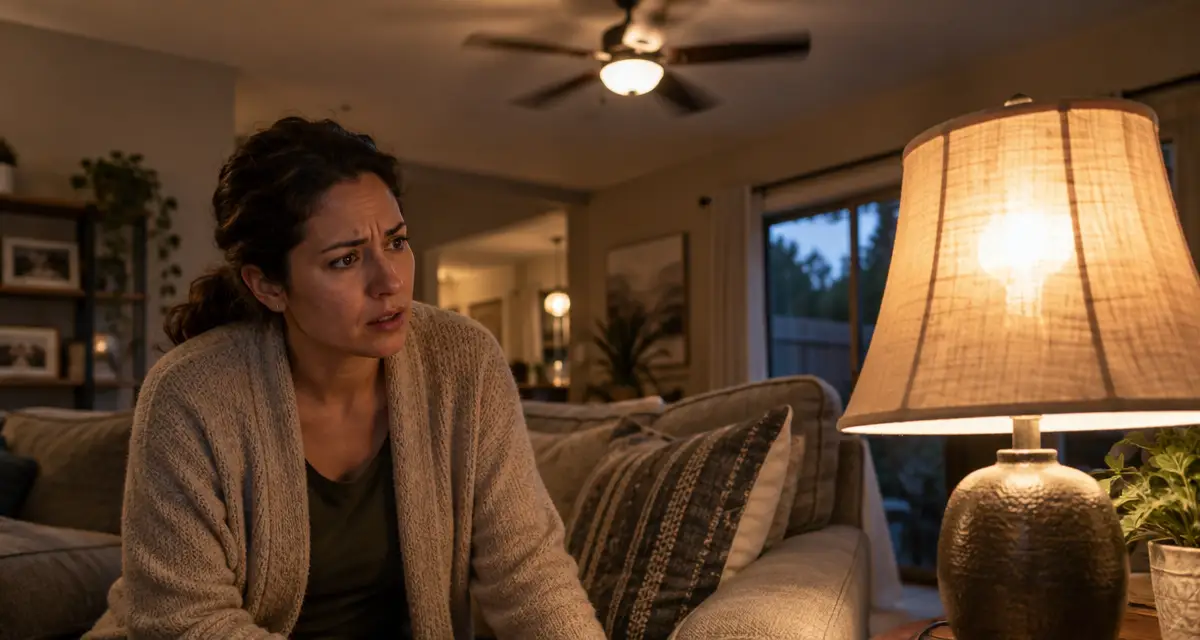
If you live in Rancho Cordova, you know that summer means sunshine and hot weather. With average high temperatures often climbing into the mid-90s, cranking up the air conditioning isn't a luxury—it's a necessity. But have you ever noticed that as the temperatures rise, your home's electrical system starts acting up? Maybe your lights flicker when the AC kicks on, or a circuit breaker trips for no apparent reason.
These aren't just minor annoyances. They're often signs that your home's electrical system is struggling to keep up with the increased demand of summer. Understanding why this happens is the first step toward ensuring your home is both comfortable and safe.
The Link Between Summer Heat and Your Electrical System
The primary reason electrical issues become more common in the summer is simple: increased load. Your air conditioner is one of the most power-hungry appliances in your home. When it runs for hours on end to combat the heat, it places a significant and sustained strain on your electrical circuits.
This strain isn't just about the AC. We also use more fans, run pool pumps, and open and close refrigerators more often. All these activities add up, creating a peak demand that your system might not be equipped to handle. According to the Electrical Safety Foundation International (ESFI), overloading your home's electrical system can lead to overheating wires, which is a serious fire hazard. (Source)
High ambient temperatures also play a direct role. Electrical components, including wiring and breakers, are designed to operate within a certain temperature range. When your attic or walls are already hot, the wires running through them can't dissipate heat as effectively. This extra heat reduces their efficiency and can cause breakers to trip more easily, as they are designed to do when they sense overheating.
Common Causes of Flickering Lights and Tripping Breakers
While the summer heat sets the stage, several specific issues could be causing your lights to flicker or breakers to trip. Here are some of the most common culprits we see in Rancho Cordova homes.
Air Conditioner Strain
When your central air conditioner's compressor starts up, it draws a massive amount of current for a few seconds. This sudden, large power draw can cause a momentary voltage drop across your entire electrical system, resulting in a brief dimming or flickering of your lights. While a slight flicker is often normal, frequent or severe dimming could indicate a problem with the AC unit itself or the circuit it's on.
Overloaded Circuits
Your home's electricity is divided into circuits, each protected by a circuit breaker with a specific amperage rating. If you plug too many appliances into a single circuit and run them at the same time, the total current draw will exceed the breaker's limit, causing it to trip and cut the power. In the summer, running a window AC unit, a computer, and a TV on the same circuit is a classic recipe for an overload.
Outdated or Undersized Electrical Panel
Many older homes in the Sacramento area were built when household electrical needs were much lower. A 60-amp or 100-amp panel might have been sufficient 40 years ago, but it can struggle to support modern life, which includes central air, electric vehicles, and numerous electronic devices. If your breakers trip frequently, your main panel may not have the capacity to handle your home's electrical load. A main panel upgrade is often the safest and most effective long-term solution.
Loose Wiring or Faulty Connections
Heat causes metal to expand, and cold causes it to contract. Over many seasons, this thermal expansion and contraction can cause electrical connections in your outlets, switches, and breaker panel to become loose. A loose connection creates high electrical resistance, which generates intense heat and can cause intermittent power—the source of your flickering. This is a significant fire risk and requires immediate attention from a qualified electrician.
Warning Signs You Shouldn't Ignore
Flickering lights are a clear signal, but they are not the only one. If you notice any of the following symptoms, it’s time to call for professional electrical troubleshooting.
- Frequent Breaker Trips: If a breaker trips repeatedly, even after you’ve tried to reduce the load, there's likely an underlying issue.
- Warm Outlets or Switch Plates: An outlet or light switch that feels warm or hot to the touch indicates a dangerous wiring problem.
- Buzzing or Humming Noises: Your breaker panel or outlets should be silent. Any buzzing sounds can point to a loose connection or a failing breaker.
- A Burning Smell: A distinct smell of burning plastic or ozone near an outlet or your panel is a critical warning sign. Unplug anything connected to the outlet and call an electrician immediately.
- Lights Dimming Significantly: If your lights dim dramatically whenever a large appliance like a microwave or vacuum turns on, your circuits may be overloaded or improperly wired.
What You Can Do and When to Call a Professional
First, you can try to manage your electrical load. Avoid running the dishwasher, clothes dryer, and oven at the same time your AC is working its hardest. Unplugging devices and chargers when not in use can also help slightly.
However, these are just management tactics. For any of the more serious warning signs, or if the problems persist, you need a professional solution. A licensed electrician in Rancho Cordova can diagnose the true cause of the issue and ensure your home is safe.
At Lux Dei Electric, our expert technicians can perform a comprehensive electrical inspection to identify weak points in your system. Depending on our findings, we may recommend:
- A Main Panel Upgrade: To provide your home with the power it needs for modern appliances and safety.
- Dedicated Circuit Installation: To give a power-hungry appliance like your AC or EV charger its own circuit, preventing overloads.
- Wiring and Connection Repair: To find and fix any loose or faulty connections before they can cause a fire.
Don’t let electrical worries ruin your summer. If your Rancho Cordova home's lights are flickering or your breakers are tripping, contact Lux Dei Electric for a safe and reliable solution.
Sources
- Visit Rancho Cordova: Rancho Cordova Weather
- Electrical Safety Foundation International (ESFI): Don't Overload Your Home
- Lux Dei Electric: Sacramento Electrician